.png)




What is Parvovirus and How to Protect Your Pets from It
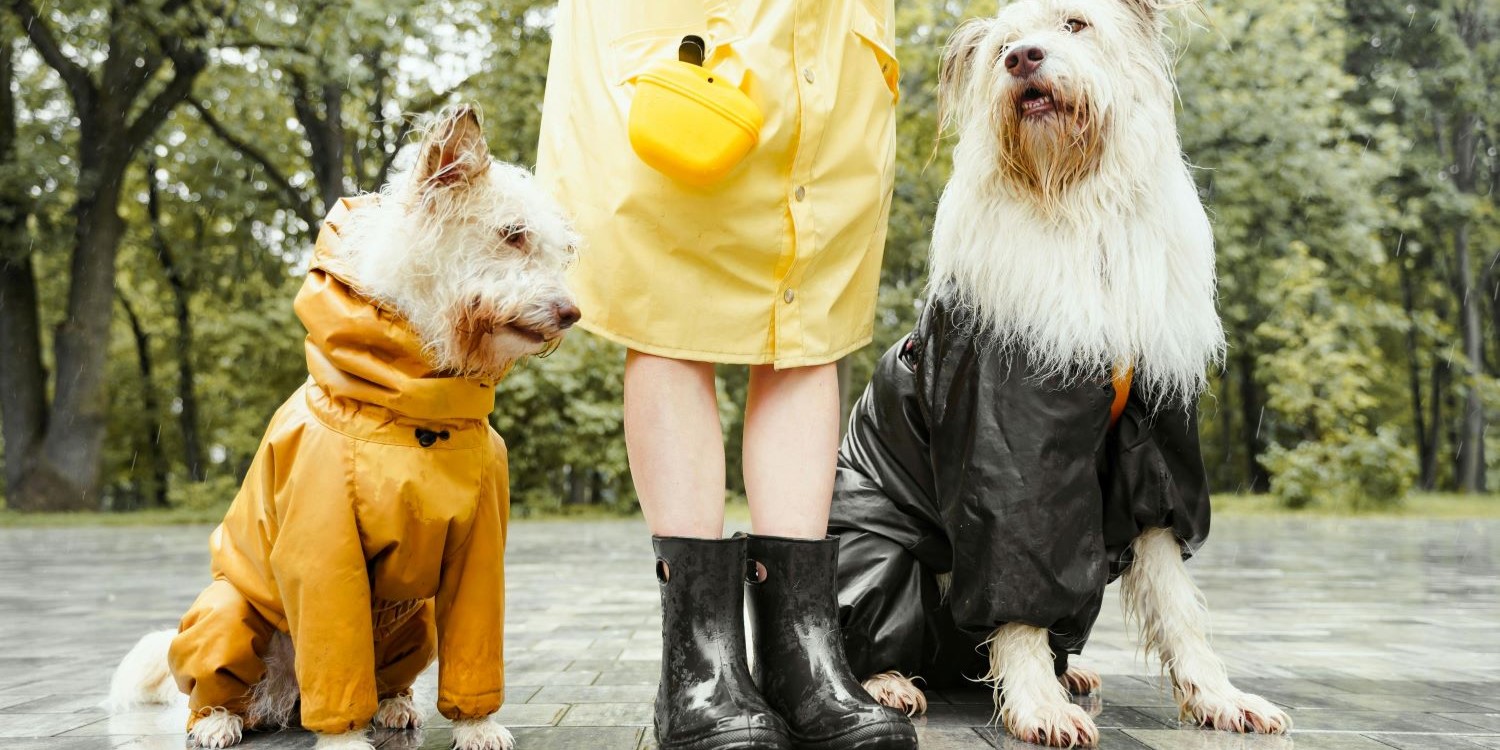
During the rainy season, many pet-related diseases, including the dreaded parvovirus, become more prevalent. Parvovirus is a highly contagious disease caused by a virus that spreads through direct or indirect contact with infected animal feces. This virus is particularly resilient and can survive in the environment for extended periods, posing a significant risk to unvaccinated pets.
Understanding Parvovirus

Parvovirus primarily affects dogs, especially puppies and unvaccinated adults. It attacks rapidly dividing cells, particularly those in the intestines, bone marrow, and lymph nodes, leading to severe gastrointestinal symptoms such as vomiting, diarrhea (often bloody), dehydration, and lethargy. In untreated cases, parvovirus has a high mortality rate due to the rapid onset of dehydration and septic shock.
Protecting Your Pets
As advocates of responsible pet ownership, here are essential tips to protect your pets against parvovirus:
1. Limit Exposure to Infected Areas
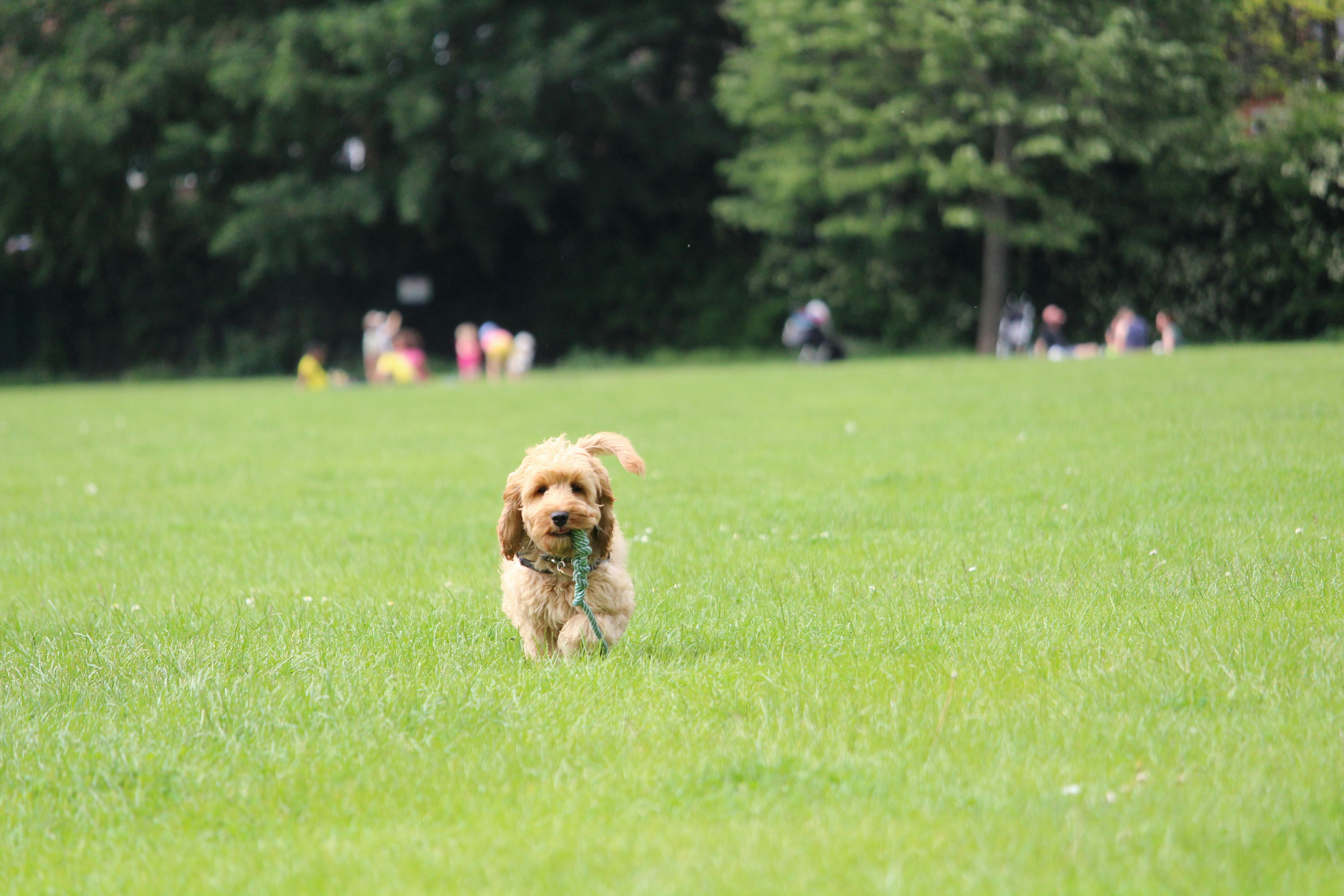
Avoid places where your pet may come into contact with infected feces, such as dog parks, communal water bowls, and areas frequented by unknown or unvaccinated dogs.
2. Disinfect, Disinfect, Disinfect!

Regularly disinfect your pet's living areas, food and water bowls, toys, and any surfaces they come into contact with using pet-safe disinfectants. This reduces the risk of viral transmission through contaminated surfaces.
Parvovirus can survive in a lot of objects and surfaces, so make sure to clean thoroughly. Use a 1:32 bleach-water solution because regular soap can’t kill parvovirus!
3. Vaccinate Your Pets
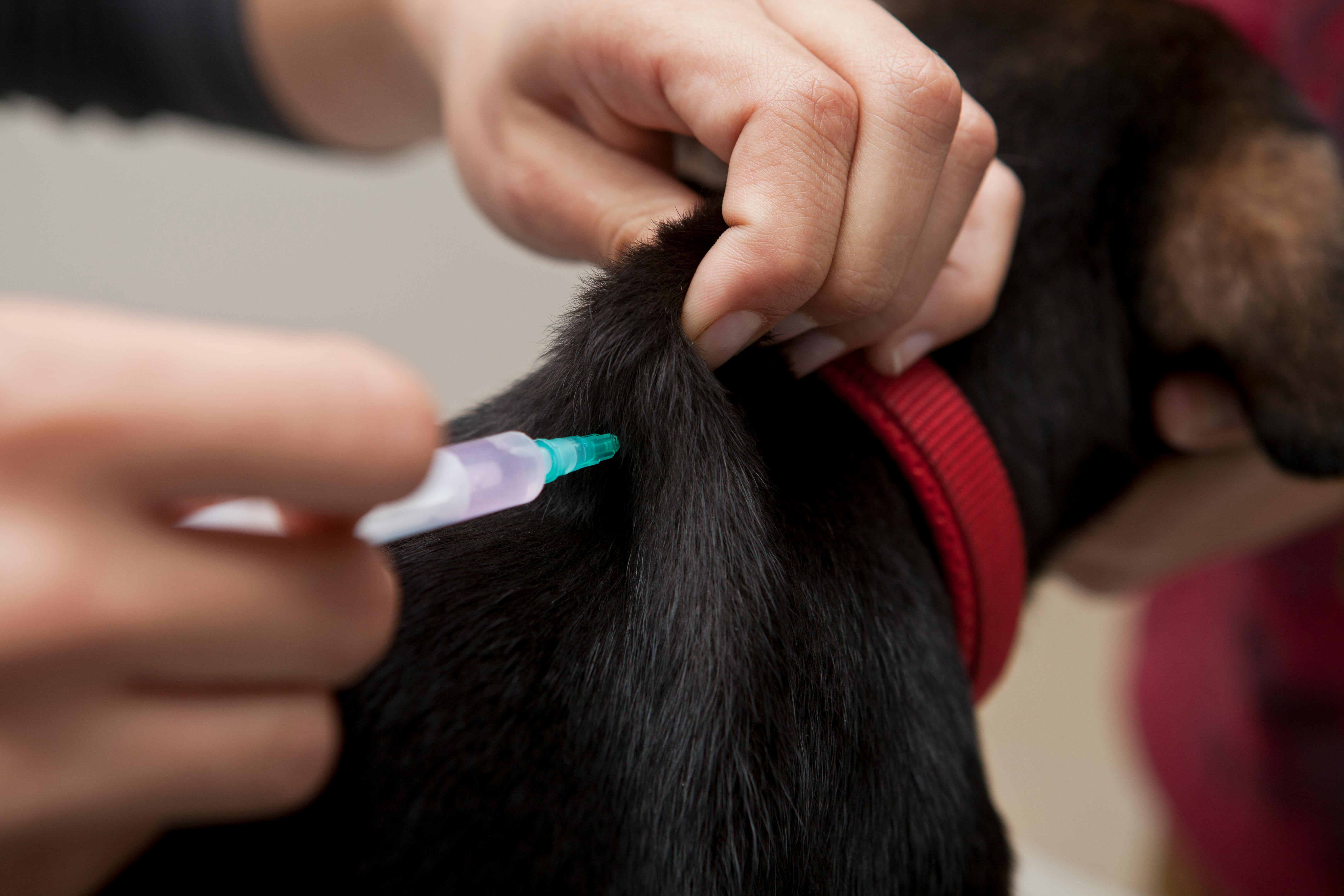
Vaccination is the most effective way to prevent parvovirus. Puppies should receive a series of vaccinations starting at around 6-8 weeks of age, with booster shots given as recommended by your veterinarian. Adult dogs should also receive regular vaccinations to maintain immunity.
Parvovirus is a serious threat to dogs, but with proactive measures, you can significantly reduce the risk to your pets. By limiting exposure to potentially contaminated areas, practicing thorough hygiene, and ensuring your pets are up-to-date on vaccinations, you can protect them from this deadly disease. Responsible ownership and timely veterinary care play crucial roles in keeping your furry companions safe and healthy, even during challenging seasons.



.png)